Please note that I wrote this blog while living in Saudi Arabia between 2012-2013. My experiences were written as I lived them. Since my last entry in 2014, I have been living in New York. Saudi Arabia is a dynamic country and many things have changed over the years since I left the country. Women's rights in particular have changed and expanded. When reading my blog, keep in mind that the information is outdated. If you are looking for information about the country as it is now, please look for more current and relevant sources. As such, it behooves the reader to read this as a historical document that was told from the perspective of a white American woman. People can have a plethora of experiences and they will vary from how my family lived in Saudi Arabia.
Thursday, August 20, 2020


Tuesday, August 9, 2016
KSA Memorabilia
I came across some Saudi Arabian pieces of memorabilia I had tucked away in a box. I quickly snapped photos of the items and then posted them on Instagram with brief commentary. Here are some screenshots of those posts.


Thursday, January 2, 2014
A Book Recommendation for Everyone
I just recently finished the book, Global Mom: Eight Countries, Sixteen Addresses, Five Languages, One Family by Melissa Dalton-Bradford
This is not an ordinary memoir of a globe-trotting family. Perhaps because of the tragedy the family faces, this memoir achieves a depth and weightiness that sets it apart from other titles in the genre. As a former globe-trotting mother myself, I felt a kinship with Dalton-Bradford. She is warm and personable, making you feel you could dash off an email to her in response to a passage and have a meaningful conversation about it.
Melissa Dalton-Bradford does an admirable job of distilling years of experiences into a few pages covering critical ex-pat experiences like daycare, international and local schools, culture clashes, language acquisition, bureaucracy, navigating medical systems and pharmacies, food, giving birth, friendship, job transfers, etc. She writes of these things with small anecdotes, often hilarious, but always insightful and cohesive.
Dalton-Bradford articulates far more deftly than I have ever been able to express the wonder and privilege of such a globe-trotting lifestyle. She does not, however, gloss over the real costs of the same lifestyle--the rootlessness, the relentless loss, and the curious experience of feeling a stranger in one's own country.
Perhaps the greatest feat of the book is how the heaviest and most painful of topics-the death of the Bradford's eldest son just days after beginning university-is integrated into the narrative without being choppy or derailing the book. Indeed the candor and dignity with which Dalton-Bradford expresses her grief and the struggle to move forward in such a painful landscape (almost like an entirely new country) was deeply and profoundly moving.
I found the typos in the original edition distracting and frustrating--though I think a new edition has been printed and I believe that it has been better proof-read. While Bradford's prose is beautiful and elegant, I found it distracting at times-causing me to lose track of the story. I loved the foreign phrases which were scattered throughout the text, but they weren't always translated which made me feel like an outsider and missing critical parts of the text. Many of the chapter titles were foreign phrases and I think a translation should have been provided as well underneath the title. I also wish the chapters about Singapore and Asia had been expanded. That section of the book felt too cursory and brief.
Who should read this book? People who want to travel or have ever wondered what it is like to actually live in a foreign country. People who are preparing for an international move. Expat families who are looking for sources to help validate their experiences. Anyone who is coping with grief would also benefit from this book. I will be sharing this book with my family to help them gain a deeper understanding of my own experiences living in three different foreign countries for 7 years.
Melissa Dalton-Bradford writes a wonderful blog called Melissa Writes of Passage where she writes wonderful essays about a variety of topics relevant to expat families. I've enjoyed reading and commenting on her blog. She often responds so it is very possible to have some great conversations with her.
This is not an ordinary memoir of a globe-trotting family. Perhaps because of the tragedy the family faces, this memoir achieves a depth and weightiness that sets it apart from other titles in the genre. As a former globe-trotting mother myself, I felt a kinship with Dalton-Bradford. She is warm and personable, making you feel you could dash off an email to her in response to a passage and have a meaningful conversation about it.
Melissa Dalton-Bradford does an admirable job of distilling years of experiences into a few pages covering critical ex-pat experiences like daycare, international and local schools, culture clashes, language acquisition, bureaucracy, navigating medical systems and pharmacies, food, giving birth, friendship, job transfers, etc. She writes of these things with small anecdotes, often hilarious, but always insightful and cohesive.
Dalton-Bradford articulates far more deftly than I have ever been able to express the wonder and privilege of such a globe-trotting lifestyle. She does not, however, gloss over the real costs of the same lifestyle--the rootlessness, the relentless loss, and the curious experience of feeling a stranger in one's own country.
Perhaps the greatest feat of the book is how the heaviest and most painful of topics-the death of the Bradford's eldest son just days after beginning university-is integrated into the narrative without being choppy or derailing the book. Indeed the candor and dignity with which Dalton-Bradford expresses her grief and the struggle to move forward in such a painful landscape (almost like an entirely new country) was deeply and profoundly moving.
I found the typos in the original edition distracting and frustrating--though I think a new edition has been printed and I believe that it has been better proof-read. While Bradford's prose is beautiful and elegant, I found it distracting at times-causing me to lose track of the story. I loved the foreign phrases which were scattered throughout the text, but they weren't always translated which made me feel like an outsider and missing critical parts of the text. Many of the chapter titles were foreign phrases and I think a translation should have been provided as well underneath the title. I also wish the chapters about Singapore and Asia had been expanded. That section of the book felt too cursory and brief.
Who should read this book? People who want to travel or have ever wondered what it is like to actually live in a foreign country. People who are preparing for an international move. Expat families who are looking for sources to help validate their experiences. Anyone who is coping with grief would also benefit from this book. I will be sharing this book with my family to help them gain a deeper understanding of my own experiences living in three different foreign countries for 7 years.
Melissa Dalton-Bradford writes a wonderful blog called Melissa Writes of Passage where she writes wonderful essays about a variety of topics relevant to expat families. I've enjoyed reading and commenting on her blog. She often responds so it is very possible to have some great conversations with her.
Monday, September 30, 2013
On the Independence of Women Within the Kingdom
In the past week, I read this gem of an article explaining why women in Saudi Arabia cannot and should not drive. As a mother to five children, with a sixth on the way, who also happens to drive, I suppose this explains why I don't have 10 children after 15 years of marriage. It does not however explain the situation of my friend who has 9 children. Maybe if she had allowed her husband to drive, she might have had twins more than once. (Just as an aside, I think this sheik holds the opinion of the minority, not the majority.)
But I digress. A friend of mine currently living in Riyadh posted the following on her Facebook wall.
"In August, I went to mobily and was not allowed to enter the store to pay my bill as my husband was not with me. On Thursday, I went to mobily and was welcomed into the store as I was chaperoned..... By my SIX YEAR OLD SON. thanks son, I guess I am supposed to take direction from you from now on..... Mmmm... Only in Saudi!"
* Fortunately, there are some people who are really addressing the issue with intelligence and good sense. Such as this article.
But I digress. A friend of mine currently living in Riyadh posted the following on her Facebook wall.
"In August, I went to mobily and was not allowed to enter the store to pay my bill as my husband was not with me. On Thursday, I went to mobily and was welcomed into the store as I was chaperoned..... By my SIX YEAR OLD SON. thanks son, I guess I am supposed to take direction from you from now on..... Mmmm... Only in Saudi!"
Mobily is a cell phone provider.
These two incidents contrasted with my own return to the United States have highlighted a very important aspect of my identity and experience as a woman. In the United States, I have the full atonomy and independence to perform the duties necessary in my role as a mother and wife. In the past three months alone, I have logged hundreds of miles taking my children to doctors and dentists, ensuring their continued health and well-being through these visits. I have been able to do so on my time-frame without relying on taxi drivers or my husband, who is very busy with his job. I have met with school officials and been able to arrange for the academic needs of my children. I have been able to manage finances and other family matters without having to rely on others to help me. In other words, I have been able to arrange my schedule to suit the needs of all the members of our family. My husband and I arrange our schedules, responsibilities, and work for the benefit of all. As such, I feel like we are fully equal partners working together toward a common goal to benefit our family.
While living in Saudi Arabia, the burdens my husband carried trying to meet these needs of constantly driving, doing all the financial and business transactions, even a bulk of the shopping, in addition to working full-time were enormously stressful. I couldn't alleviate those burdens by sharing in the responsibilities. It was frustrating for both of us.
There are hundreds of compelling reasons why women should be allowed to drive in Saudi Arabia, not the least that it is immoral and unethical to deny them such a right because they are human beings, not a sub-class of mindless children unable to think or make decisions for themselves.
Within the context of Saudi culture, where families are paramount, it makes sense to me to appeal to the importance of families and especially of the importance of women to be able to act as matriarchs, leading and serving their families. I believe their ability to do so fully is hampered by the many restrictions on women to act with intelligence, decision, and independence.
* Fortunately, there are some people who are really addressing the issue with intelligence and good sense. Such as this article.
Friday, September 27, 2013
Time, Places, and Change

My oldest son was recognized for his outstanding work in Student council at the end of the 2012-2013 school year at his international school. It was one of those moments that makes you feel a little dizzy as you realize how much life can change in a few years.
Ten years ago, this boy was three and we lived in Sweden. Our days were filled with going outside, playing in the cold weather, reading stories, and making lots of messes. Ten years later, we were in Saudi Arabia, while my youngest, who is now three, sat on my lap. My youngest plays in the dirt, makes messes, and enjoys the pool.
Where will be in ten years? The mind boggles at the thought. I never imagined living in Saudi Arabia and yet we did and had a grand adventure. Nor did I ever anticipate living in Sweden. What surprises my life has held.
Thursday, September 26, 2013
Grocery Stores and Prayer Time
There a few things you should know about shopping in KSA.
1) There are grocery stores in most malls. Kingdom mall doesn't have a grocery store, so don't plan on grabbing milk or any other essentials while you are there.
2) Prayer time happens five times a day and when it starts, everything, and I mean EVERYTHING stops. A few minutes before prayer time, lights go off in the stores and gates come down. There are a few stores which allow you to continue shopping, while others shoo you out the door. They will announce the closing before they close.
When in Carrefour during that time, it was amusing to watch the mad dash the customers made to the checkout stand to purchase their food. If you time it right, you can get in just before they close, shop in peace and quiet (except get your vegetables weighed) and then finish just as the doors open.

The stores I shopped at most were Carrefour, Danube, and Tamimi. Carrefour was a French grocery store. Tamimi falls under the American Safeway brand. I assumed that Danube might be Austrian, but I can't find info about it. There are other stores of course, but these three were my favorites. Tamimi usually carries a good selection of American products at import prices. So if you are looking for an American fix, you should go there first. Carrefour usually satisfied my craving for European foods. I also got a kick out of reading the labels as they reminded me of reading labels in Sweden. Danube was always very clean and well-kept. They also had a good selection of quality dark chocolate.
1) There are grocery stores in most malls. Kingdom mall doesn't have a grocery store, so don't plan on grabbing milk or any other essentials while you are there.
2) Prayer time happens five times a day and when it starts, everything, and I mean EVERYTHING stops. A few minutes before prayer time, lights go off in the stores and gates come down. There are a few stores which allow you to continue shopping, while others shoo you out the door. They will announce the closing before they close.
When in Carrefour during that time, it was amusing to watch the mad dash the customers made to the checkout stand to purchase their food. If you time it right, you can get in just before they close, shop in peace and quiet (except get your vegetables weighed) and then finish just as the doors open.

The stores I shopped at most were Carrefour, Danube, and Tamimi. Carrefour was a French grocery store. Tamimi falls under the American Safeway brand. I assumed that Danube might be Austrian, but I can't find info about it. There are other stores of course, but these three were my favorites. Tamimi usually carries a good selection of American products at import prices. So if you are looking for an American fix, you should go there first. Carrefour usually satisfied my craving for European foods. I also got a kick out of reading the labels as they reminded me of reading labels in Sweden. Danube was always very clean and well-kept. They also had a good selection of quality dark chocolate.
One of my favorite things to get at the grocery store is cheese pizza, baked in a wood oven. Yummy!
Shopping in KSA was actually pretty painless, unless you were insistent about getting a certain ingredient. I personally learned to just go with the flow of it. I would buy the best looking produce, supplement with a little meat, mostly chicken, and make do. I guess knowing how to substitute ingredients and cook without recipes is really essential.

There are outdoor markets that you can visit. We often saw little stands on the back of trucks on the side of the road selling fresh produce and always watermelons.
Shopping in KSA was actually pretty painless, unless you were insistent about getting a certain ingredient. I personally learned to just go with the flow of it. I would buy the best looking produce, supplement with a little meat, mostly chicken, and make do. I guess knowing how to substitute ingredients and cook without recipes is really essential.

There are outdoor markets that you can visit. We often saw little stands on the back of trucks on the side of the road selling fresh produce and always watermelons.
Wednesday, September 25, 2013
What I Wish I Had Said During the Podcast
Yesterday, I was one of the guests on the Paperclipping Roundtable Podcast. PRT is a wonderful podcast that discusses scrapbooking. They have a great following of listeners around the world. Noell and Izzy Hyman do a great job of creating a consistently interesting podcast that really does educate, entertain, and inspire me.
The podcast I participated was called "Rootless". We discussed the concept of Third Culture Kids (TCK) and how scrapbooking can help highly mobile and transient families deal with the challenges of the lifestyle.
Here are some thoughts I had that I wanted to share.
1) Highly transient families families often experience loss with possessions as their lifestyle doesn't always allow for these things to be carried with them everywhere. Scrapbooking has become a way for me to preserve memories and experiences that I have no other tangible link to.
 (Visiting an ancient Roman ampitheatre in Ceaseara, Israel)
I have given away, sold, or thrown away couches, tables, beds, knicknacks, toys, clothes, shoes, heirlooms, kitchen equipment, bikes, bike trailers, strollers, etc. When we moved to Sweden, we pared down our belongings to what could fit into a few suitcases. (I did burden my parents with several boxes of books that have spent many years in storage. I still can't bear to let them go, but I'm realistic enough to realize that may have to discarded at some point.) While living in Sweden, we knew that we would be moving ourselves back to the United States. There would not be a moving company to pack up our belongings to our new home. We did not accumulate things. I didn't buy paintings, decorations, or souvenirs. My memories of our life in Sweden are recorded in our pictures and documented with my scrapbooks. When we lived in Israel, I couldn't afford to buy hardly anything. We did purchase a Christmas Creche made out of olive wood. But otherwise, our pictures and scrapbooks are the only physical link we have to our amazing experiences.

(The view of Riyadh from a hotel room. This picture inspired
the name for this blog.)
Granted I can't lug my scrapbooks around. They often go in storage during our travels. But they are precious enough that I keep them.
2) Scrapbooking often provides much needed perspective to process both the good and bad experiences of expat life.
I scrapped my last year living in Sweden a few years after it had occurred. There is a difference in that scrapbook versus the pages I made while living there. I was much more humble about our experiences. I found I was able to ascribe meaning that I simply couldn't process at the time the events occurred. I imagine I will need a little time and distance to process my Riyadh experiences.

(I am still coming to terms with wearing an abaya for 18 months on a daily basis. It was a necessary part of my experience, but one I still don't have the words to fully describe what it was like. It wasn't totally awful, but neither was it totally awesome.)
3) Scrapbooking allows family memories of grand adventures to be preserved. My kids can look back in the albums and remember what their snowsuits looked like in Sweden. They can remember the playgrounds they explored in Israel. They can remember the grocery stores in Saudi Arabia and the color of the desert sand.


4) Creating scrapbook pages helps me deal with the loss of treasured friends as we leave behind friends or are left behind.

5) Scrapbooking helps me emphasize our family stability. Even though we don't always have stability of place, we always have one another.
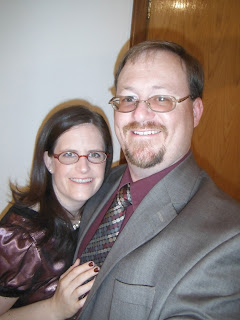


6) Scrapbooking helps me approach my life as an expat with gratitude, curiousity, wonder, and an open mind. I am so grateful for the experiences and life I lead. I would never trade any of our adventures for a different life. It is MY life and I own it, good and bad.


The podcast I participated was called "Rootless". We discussed the concept of Third Culture Kids (TCK) and how scrapbooking can help highly mobile and transient families deal with the challenges of the lifestyle.
Here are some thoughts I had that I wanted to share.
1) Highly transient families families often experience loss with possessions as their lifestyle doesn't always allow for these things to be carried with them everywhere. Scrapbooking has become a way for me to preserve memories and experiences that I have no other tangible link to.

I have given away, sold, or thrown away couches, tables, beds, knicknacks, toys, clothes, shoes, heirlooms, kitchen equipment, bikes, bike trailers, strollers, etc. When we moved to Sweden, we pared down our belongings to what could fit into a few suitcases. (I did burden my parents with several boxes of books that have spent many years in storage. I still can't bear to let them go, but I'm realistic enough to realize that may have to discarded at some point.) While living in Sweden, we knew that we would be moving ourselves back to the United States. There would not be a moving company to pack up our belongings to our new home. We did not accumulate things. I didn't buy paintings, decorations, or souvenirs. My memories of our life in Sweden are recorded in our pictures and documented with my scrapbooks. When we lived in Israel, I couldn't afford to buy hardly anything. We did purchase a Christmas Creche made out of olive wood. But otherwise, our pictures and scrapbooks are the only physical link we have to our amazing experiences.

(The view of Riyadh from a hotel room. This picture inspired
the name for this blog.)
Granted I can't lug my scrapbooks around. They often go in storage during our travels. But they are precious enough that I keep them.
2) Scrapbooking often provides much needed perspective to process both the good and bad experiences of expat life.
I scrapped my last year living in Sweden a few years after it had occurred. There is a difference in that scrapbook versus the pages I made while living there. I was much more humble about our experiences. I found I was able to ascribe meaning that I simply couldn't process at the time the events occurred. I imagine I will need a little time and distance to process my Riyadh experiences.

(I am still coming to terms with wearing an abaya for 18 months on a daily basis. It was a necessary part of my experience, but one I still don't have the words to fully describe what it was like. It wasn't totally awful, but neither was it totally awesome.)
3) Scrapbooking allows family memories of grand adventures to be preserved. My kids can look back in the albums and remember what their snowsuits looked like in Sweden. They can remember the playgrounds they explored in Israel. They can remember the grocery stores in Saudi Arabia and the color of the desert sand.


4) Creating scrapbook pages helps me deal with the loss of treasured friends as we leave behind friends or are left behind.

5) Scrapbooking helps me emphasize our family stability. Even though we don't always have stability of place, we always have one another.


6) Scrapbooking helps me approach my life as an expat with gratitude, curiousity, wonder, and an open mind. I am so grateful for the experiences and life I lead. I would never trade any of our adventures for a different life. It is MY life and I own it, good and bad.


Subscribe to:
Posts (Atom)